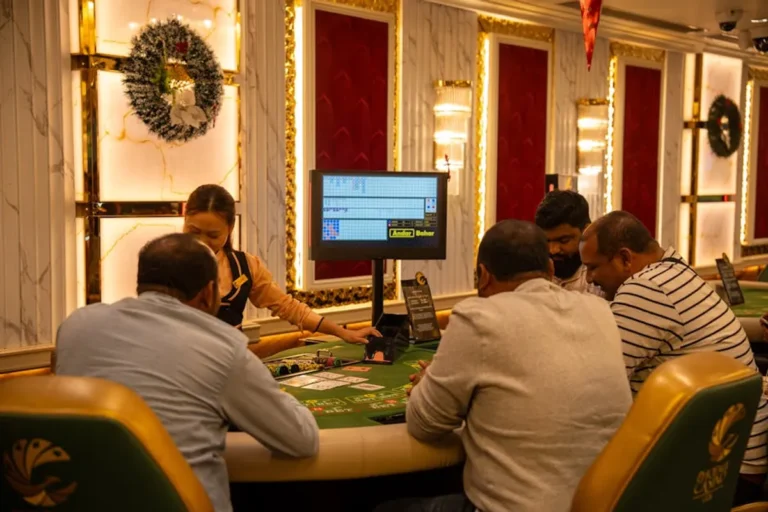
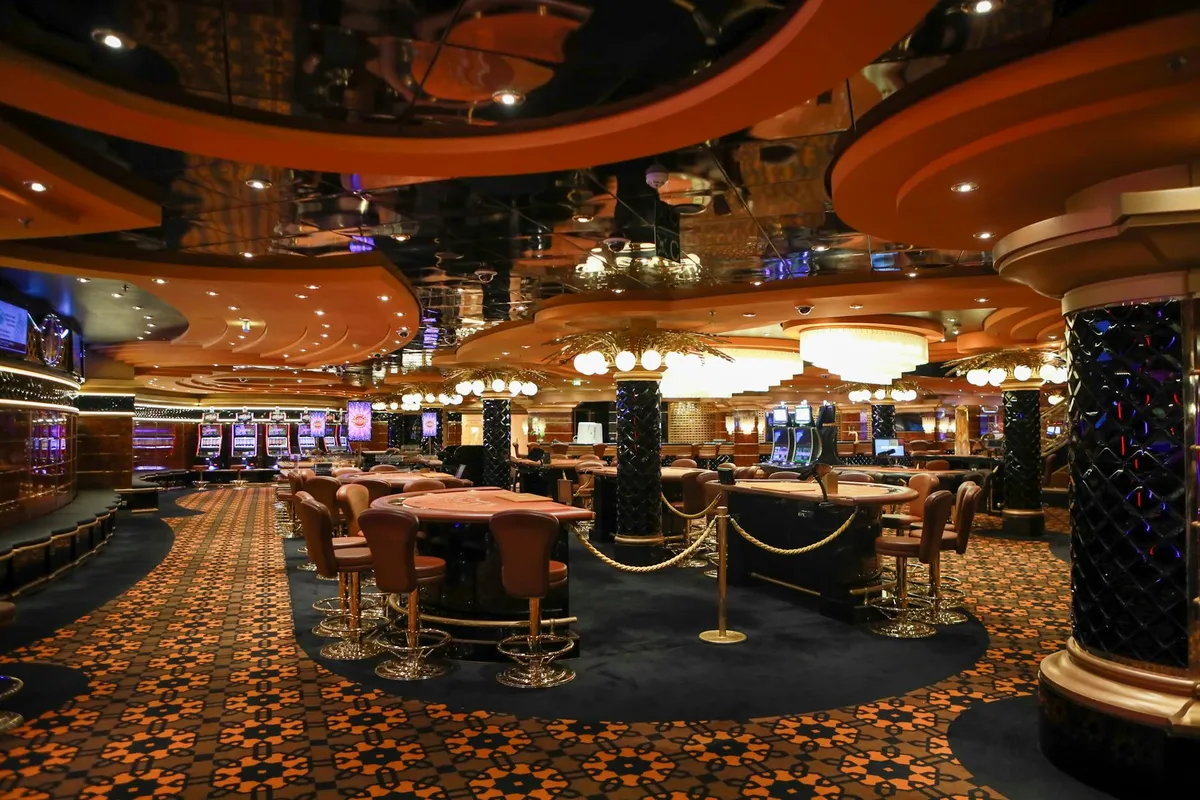
The foreigner-only casino rule is one of the more peculiar features of Korean gambling regulation. With the single exception of Kangwon Land in Gangwon Province, Korean nationals are legally prohibited from entering the country's casinos, which serve foreign visitors only. The rule has remained essentially intact since the first Korean casinos opened in the 1960s.
This essay examines why the rule has lasted, what it has accomplished, and what its continued existence reveals about Korean policy thinking on gambling.
The original reasoning
The original justification for foreigner-only casinos was straightforwardly economic. Korea in the 1960s and 1970s needed foreign currency. Casino tourism was identified as a way to attract foreign visitors and capture their spending without the perceived social costs of permitting Koreans to gamble in the same venues. The framework was designed as a foreign-currency mechanism dressed in tourism clothing.
This original reasoning was coherent given the constraints of the period. Korea was much poorer, foreign currency was much more constrained, and the social cost calculus around gambling was different from the modern calculus. Permitting limited foreign-only casinos was a reasonable compromise between economic objectives and social caution.
What is interesting is that the framework has outlasted its original justification by several decades. Korea has not needed foreign-currency capture as a primary economic mechanism for a long time. The casinos still operate under the same rule.
What the rule has accomplished
The cumulative effect of sixty years of foreigner-only casino policy has been to produce a Korean society that is significantly less casino-saturated than it would otherwise be.
The casino industry in Korea is small relative to comparable economies. The cultural normalisation of casino gambling is correspondingly limited. The harm metrics associated with casino activity are correspondingly modest. Many Koreans go their entire lives without ever entering a casino.
This is a substantial outcome. Whether it is a good outcome depends on how one weighs the various trade-offs, but it is undeniably a real consequence of the policy choice. The rule has not been a dead letter. It has actually shaped how Korean society relates to casino gambling.
The rule has also enabled the maintenance of a small foreigner-focused casino industry that provides specific tourism and service-export benefits. Several Korean casino operators have built meaningful business operations around foreign visitor traffic, particularly Chinese, Japanese, and Southeast Asian visitors. These operations contribute to tourism receipts and employment in their geographic areas.
What the Kangwon Land exception reveals
The Kangwon Land exception is the policy detail that reveals the most about how Korean gambling regulation actually thinks. Kangwon Land was authorised in the late 1990s as a single domestic casino in a remote area of Gangwon Province, specifically to provide economic development for an area that had lost its coal mining industry.
The structural design was deliberate. By locating the only domestic-accessible casino far from major population centers, the policymakers limited the practical accessibility of casino gambling to most Koreans while providing the targeted economic benefit to the host region. The framework accepted some increase in domestic casino activity as the cost of the economic development objective.
The Kangwon Land outcome has been mixed. The economic development objective has been partially achieved but at the cost of a high concentration of problem gambling cases among repeat visitors. The social problems documented around Kangwon Land have been significant enough that policymakers have generally been cautious about authorising additional domestic-accessible casinos despite various proposals.
The cumulative experience of Kangwon Land has actually reinforced the overall foreigner-only framework rather than weakening it. Policymakers can point to Kangwon Land as evidence that domestic-accessible casinos produce specific problems that the foreigner-only framework avoids.
Why the framework has been politically durable
The framework has been politically durable for several specific reasons.
It has no organised constituency demanding change. Most Koreans do not visit casinos at all and have no personal interest in being able to do so. Casino industry operators benefit from the framework because it limits domestic competition. The few advocates for liberalisation have not built meaningful political support.
It avoids the specific failures that liberalisation in other jurisdictions has produced. The well-documented social costs of expanded casino access in some other countries have served as cautionary examples that Korean policymakers can reference.
It is consistent with broader Korean policy preferences for cautious engagement with potentially harmful commercial activities. The same policy disposition that produces narrow alcohol regulation, careful pharmaceutical access, and skeptical engagement with various consumer industries also produces conservative casino policy.
It works well enough that the costs of disrupting it are difficult to justify. Marginal expansions could be debated but wholesale framework change would impose costs that no proponent has plausibly argued would be exceeded by benefits.
What the framework reveals about Korean policy thinking
The persistence of the foreigner-only framework reveals specific features of how Korean policy actually thinks about gambling.
It thinks about gambling primarily as a category to be managed rather than as a legitimate consumer category to be optimised. This framing differs from the framing that has produced expanded gambling regulation in many Western countries.
It treats access restriction as a primary regulatory tool rather than as a secondary backup to other regulatory mechanisms. Many other jurisdictions rely primarily on operator regulation with access available to most adults under regulated conditions. Korean policy continues to use access restriction as the first-line tool.
It accepts modest economic activity in exchange for substantial social cost avoidance. The casino industry that Korea has under the foreigner-only framework is much smaller than what fully liberalised policy would produce. The trade-off has been judged worthwhile across multiple administrations of varying political orientation.
It treats the framework as durable rather than as a transitional position. There is no significant policy literature anticipating eventual liberalisation. The framework is treated as the steady-state Korean approach to casino regulation rather than as an interim arrangement awaiting eventual reform.
What I think the framework will look like
The framework will likely persist substantially intact for the foreseeable future. The political conditions for fundamental change are not present. The policy reasoning that supports the framework remains coherent. The empirical experience under the framework has been broadly defensible.
Marginal changes are possible. Specific proposals around integrated resort developments have surfaced periodically and may eventually result in additional foreigner-focused casino capacity. Regulatory adjustments around the existing foreigner-only casinos are likely as the industry evolves. But the core foreigner-only structure is likely durable.
Whether this is the right policy is a separate question that depends on values and priorities the Korean political process has consistently chosen to weigh in particular ways. The framework reflects those values. As long as those values continue to be widely held, the framework will continue.