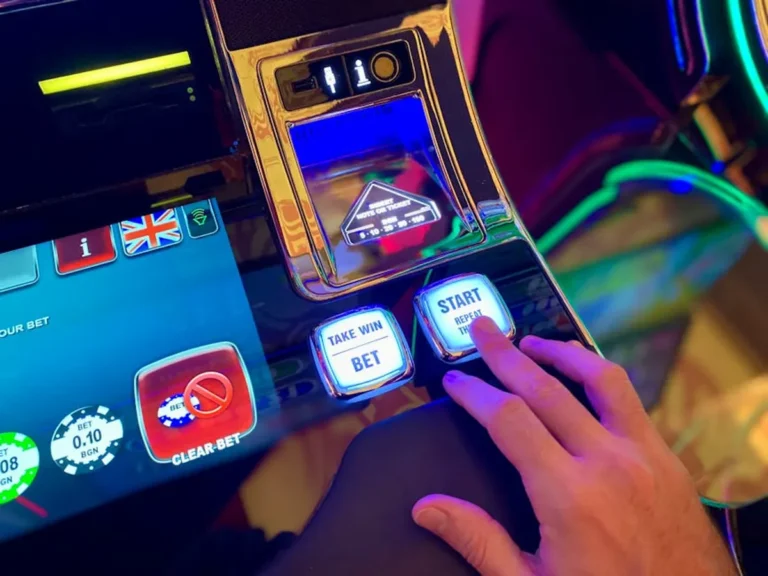

When considering online casino offerings, the fundamental choice between slot games and live casino experiences often hinges on a player's appetite for complexity and immediate understanding. Both categories present distinct engagement models, catering to different preferences regarding rules, strategy, and interaction. For publishers and marketers, understanding these core differences is crucial for segmenting audiences and tailoring content effectively. This analysis breaks down the inherent ease of understanding for each game type, providing a clear perspective on which option presents a lower barrier to entry for new or casual players.
Deconstructing Slot Game Simplicity
Slot games are fundamentally designed for immediate accessibility, requiring minimal prior knowledge to begin playing. The core mechanic involves setting a bet size and initiating a spin, after which the outcome is determined by random number generators (RNGs) and displayed visually. This direct interaction model significantly reduces the cognitive load on players, making them an attractive option for those seeking straightforward entertainment without a steep learning curve.
- Core Mechanics: Players primarily interact with a 'Spin' button and a 'Bet' adjustment. Understanding paylines, symbol values, and bonus trigger conditions is secondary to the basic act of playing.
- Rule Homogeneity: While themes and bonus features vary widely, the underlying principle of matching symbols across paylines remains consistent across most slot titles. This allows players to transfer basic understanding from one slot to another with ease.
- Pace of Play: Slots offer a self-paced experience. Players can spin as quickly or slowly as they prefer, without external pressure or time limits imposed by other players or dealers.
However, the apparent simplicity can mask layers of complexity in modern video slots. Features like cascading reels, expanding wilds, multi-level bonus rounds, and progressive jackpots introduce nuanced mechanics that, while not essential for basic play, can enhance the experience for those who delve deeper. For a new player, these advanced features are often discovered through play rather than requiring pre-game study.
Best for: Players seeking instant gratification, minimal decision-making, and entertainment that requires little strategic input.
Navigating Live Casino Game Complexity
Live casino games, by contrast, replicate the experience of a physical casino, featuring real human dealers and real-time gameplay streamed to players. This format inherently introduces a higher degree of complexity compared to slots, primarily due to the specific rules of each game, the need for strategic decision-making, and the interactive element. This distinction is key for players wanting to understand the differences between live and online slots and their respective appeals.
Games like Blackjack, Roulette, Baccarat, and various Poker variants each possess their own distinct rule sets, betting structures, and optimal strategies. A player cannot simply "spin" without understanding how to place a bet, what constitutes a winning hand, or when to make specific strategic moves (e.g., hit or stand in Blackjack).
Pro Tip: For new players approaching live casino games, prioritize understanding the core rules and basic strategy for one specific game before exploring its variations. Attempting to learn multiple game rules simultaneously can lead to confusion and suboptimal play.
Interaction with the dealer and other players (via chat) also adds a social dimension, which, while enriching for some, can be an additional layer of engagement for those solely focused on understanding game mechanics. The pace of play is dictated by the dealer and the game's structure, requiring players to make decisions within set time limits.
Best for: Players who enjoy strategic thinking, social interaction, and a more immersive, traditional casino environment.
Direct Comparison: Rules and Strategic Depth
The most significant differentiator in ease of understanding lies in the requirement for rule comprehension and strategic application:
- Slot Games
- Players only need to understand the concept of matching symbols for a win and how to adjust their bet. The game's outcome is purely chance-based, with no player decisions influencing the result beyond the initial wager.
- Live Casino Games
- Each game demands a foundational understanding of its rules. For instance, Blackjack requires knowing card values, when to 'hit' or 'stand', and the objective of reaching 21 without busting. Roulette necessitates knowledge of different bet types (inside/outside, straight up, split, etc.) and their payouts. Without this knowledge, effective participation is impossible.
Strategic depth also varies considerably. While some slots offer features that might imply strategic choices (e.g., choosing a bonus round type), these are often pre-programmed decisions. Live casino games, particularly card games like Blackjack or Poker, involve dynamic decision-making where player choices directly impact the statistical probability of winning or losing a hand.
Pace of Play and Learning Environment
The environment in which these games are played also contributes to their perceived ease of understanding:
- Slots: The solitary, asynchronous nature of slots allows players to learn at their own pace without external pressure. There's no need to rush decisions, and players can pause or stop at any time without impacting others. This makes slots an ideal "sandbox" for casual exploration.
- Live Casino: The real-time, synchronous nature of live games means decisions must be made within specific timeframes. While dealers are generally patient, the flow of the game continues, which can be intimidating for newcomers still grappling with rules or strategy. Learning by observation is possible, but active participation requires quicker cognitive processing.
Practical Selection Guidance
For individuals prioritizing immediate accessibility and minimal learning, slot games represent the easier entry point. Their intuitive interface and luck-driven outcomes allow for instant engagement without requiring pre-game study. This makes them ideal for casual entertainment or for those new to online gaming who prefer a relaxed experience.
Conversely, live casino games cater to players who appreciate a more involved, strategic experience and are willing to invest time in learning specific game rules and optimal strategies. While the initial learning curve is steeper, the reward is a more interactive and potentially more engaging experience, often with a social element. For marketers, this indicates that slot players are driven by instant gratification, while live casino players seek depth and interaction. Tailoring content to these motivations is key.
Frequently Asked Questions
Are all slot games equally easy to understand?
While the basic mechanic of spinning reels is consistent, modern video slots can introduce complex bonus rounds, mini-games, and progressive jackpots that add layers of understanding. However, basic play remains intuitive across almost all titles.
Do live casino games always require strategy?
Many live casino games, particularly card games like Blackjack and Poker, benefit significantly from strategic play to optimize outcomes. Games like Roulette and Baccarat are more luck-based, but understanding betting odds and table layouts is still crucial for informed play.
Which type of game is generally better for new players?
Slot games are typically better for new players due to their simple mechanics, lack of required strategy, and self-paced nature. They offer an immediate, low-pressure introduction to online gaming.
Can I try live casino games for free before playing for real?
Unlike many slot games which offer free-play demos, live casino games generally do not offer a free-play mode. Players often need to make real money wagers to participate, though some platforms may allow observation of games without betting.