
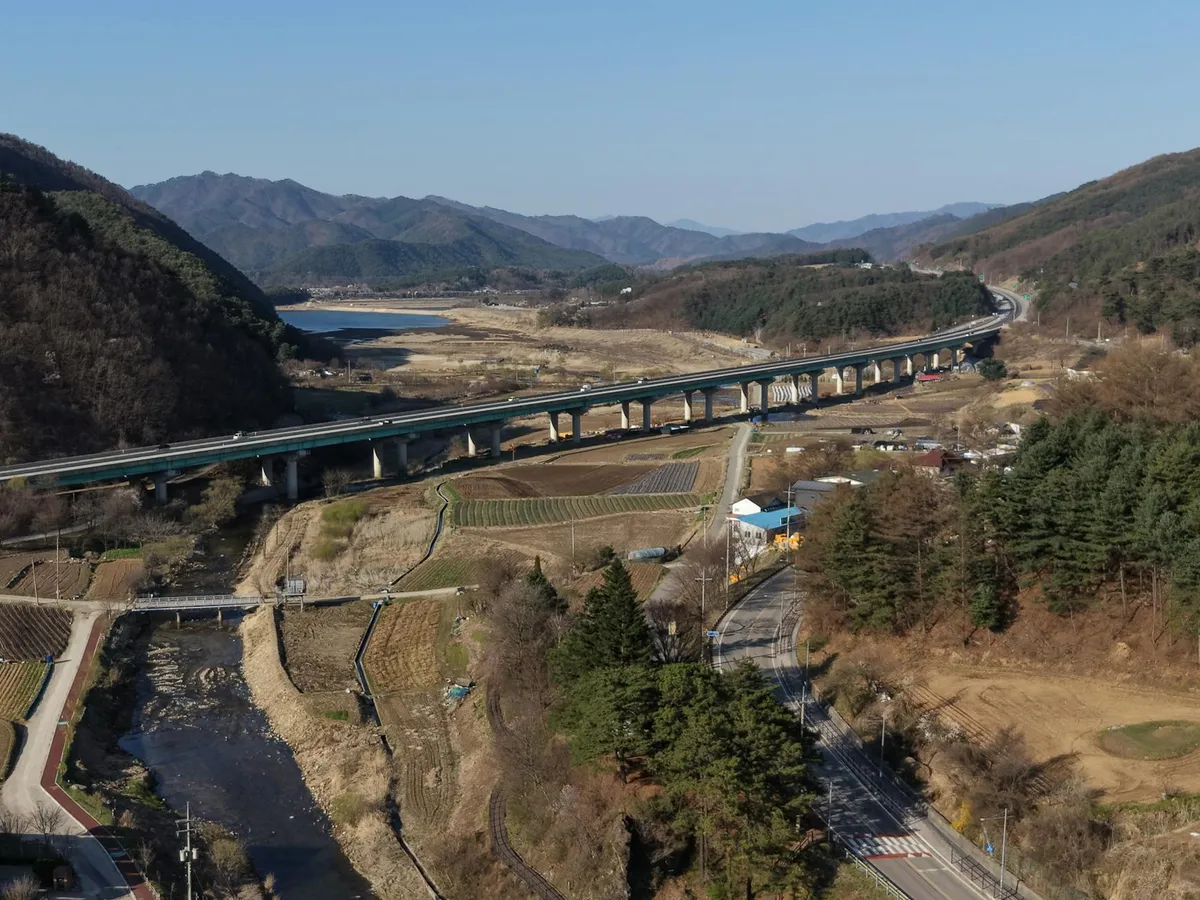
Kangwon Land opened in October 2000 in Jeongseon County, Gangwon Province. The casino was authorised under specific exception to Korea's general foreigner-only casino framework, justified as economic development for a region whose coal mining industry had collapsed across the preceding decade. Twenty-five years later the casino is the only domestic-accessible casino in Korea and the host region has been substantially shaped by its presence.
This essay attempts an honest reckoning with what those twenty-five years have actually produced.
The original economic-development case
The reasoning that produced Kangwon Land was specific to the regional circumstances of late-1990s Gangwon Province. The Jeongseon and surrounding coal mining areas had lost their primary industry across the previous decade. Population was declining. Working-age residents were leaving. The local economic base was eroding to the point where some communities were facing functional collapse.
The casino was offered as an alternative economic engine specifically because no obvious alternative engine was available. Manufacturing investment would not locate in such a remote region. Tourism alone would not generate sufficient activity. Agricultural development was operationally unrealistic at scale.
The economic-development case rested on the casino producing employment for displaced workers, drawing visitor spending into the region, and generating tax and licensing revenue that could fund regional infrastructure improvements. Each of these objectives was specific and assessable.
What the economic outcomes actually were
The economic outcomes have been mixed in ways that the original case did not fully anticipate.
Employment generation has been real. Kangwon Land directly employs several thousand workers including a meaningful number of former coal industry workers who were re-trained for casino operations. Indirect employment in supporting industries adds to the direct figure. The employment effect on the host region has been substantial and is among the clearest positive outcomes.
Visitor spending has been substantial in aggregate but concentrated in ways the original case did not fully envision. The visitor base has been disproportionately repeat visitors making frequent trips rather than a broader base of occasional visitors. The revenue concentration on a narrower visitor population has created the harm metrics discussed below.
Tax and licensing revenue has been substantial and has funded meaningful regional infrastructure. The visible improvements in regional road, transport, and tourism infrastructure across the past two decades trace in significant part to Kangwon Land revenue flows.
The broader regional economic transformation has been less complete than the original case would have implied. Employment in casino and casino-supporting industries has not been sufficient to fully replace the broader economic base that coal mining had supported. Population decline has continued, though at a slower rate than would have occurred without the casino. The casino has prevented worse outcomes more than it has produced fundamentally different outcomes.
The harm metrics
The harm metrics around Kangwon Land have been the most documented and most difficult element of the twenty-five-year record. The concentration of repeat visitors making frequent trips has produced a substantial population of people whose Kangwon Land activity has caused them serious financial and personal harm.
The cluster of pawn shops, motels, and money-lending operations in the area immediately surrounding the casino has become its own social problem, distinct from but downstream of the casino itself. The visitor population that sustains those secondary businesses includes people whose presence reflects acute problem gambling more than tourism activity.
The Korea Center on Gambling Problems has documented case patterns specifically associated with Kangwon Land that exceed what the visitor volume alone would predict. The treatment-seeking population from this cluster has placed sustained demand on harm-reduction infrastructure that the funding model has only partially supported.
These harm outcomes were anticipated by some critics at the time of authorisation but were generally underweighted in the policy decision. The actual experience has substantially confirmed the critics' concerns while not reaching the catastrophic predictions some critics offered.
The regulatory response
The regulatory response to documented harm has been incremental and partial. Loss limits and visit-frequency monitoring have been implemented. Self-exclusion infrastructure has been built. Funding for treatment infrastructure has been provided though at levels that critics consider insufficient.
The cumulative effect of regulatory measures has been to moderate but not eliminate the harm patterns. The harm metrics remain meaningful. The treatment population from the area remains substantial. The secondary business cluster remains in operation despite various regulatory attempts to address it.
The honest assessment is that regulatory measures have made Kangwon Land less harmful than an unregulated equivalent would be but have not made it harmless. The remaining harm is substantial enough to warrant continued regulatory attention.
The institutional position
Kangwon Land's institutional position is unusual. The operating company is partly owned by central and local government entities and listed on the Korean stock exchange. The mixed public-private ownership structure has produced governance arrangements that are neither fully private nor fully public. The operational independence of the management is real but the policy influence on major decisions is also real.
This structure has both benefits and costs. The benefits include alignment of operator incentives with broader public-interest objectives. The costs include accountability dynamics that are sometimes opaque and decision-making processes that can be slow.
The institutional position also reflects the broader Korean policy framework in which Kangwon Land exists as a sui generis exception rather than as a regulatory template. The framework around Kangwon Land has not been generalised to authorise additional domestic-accessible casinos. The exception has remained an exception.
What I think the next twenty-five years should look like
The honest reckoning with twenty-five years suggests specific directions for the next phase.
The harm-reduction infrastructure should be funded at levels that match the actual scale of harm rather than at levels that politically constrained budgeting has produced. The current funding gap is documented and addressable.
The regulatory measures around access and visit frequency should be reviewed against the evidence of effectiveness. Some current measures have evidence support; others have less. Concentrating resources on the measures with the strongest evidence support would produce better outcomes per regulatory dollar.
The secondary business cluster around the casino warrants more direct policy engagement than it has received. The pawn shops and money-lending operations are causing harm that regulation directed at the casino itself does not address. The municipal and provincial authorities have policy tools that could be applied if the political will were available.
The broader economic-development case should be revisited with the benefit of the actual experience. The casino has served the original economic objective partially. Whether further investment in alternative economic-development approaches for the host region would now produce better outcomes than additional casino-centric policy is a question worth examining.
Kangwon Land at twenty-five is neither the success its proponents originally projected nor the catastrophe its critics originally feared. It is a real and substantial institution with real and substantial benefits and costs. Honest engagement with the full record is more useful than continued debate at the level of principle.