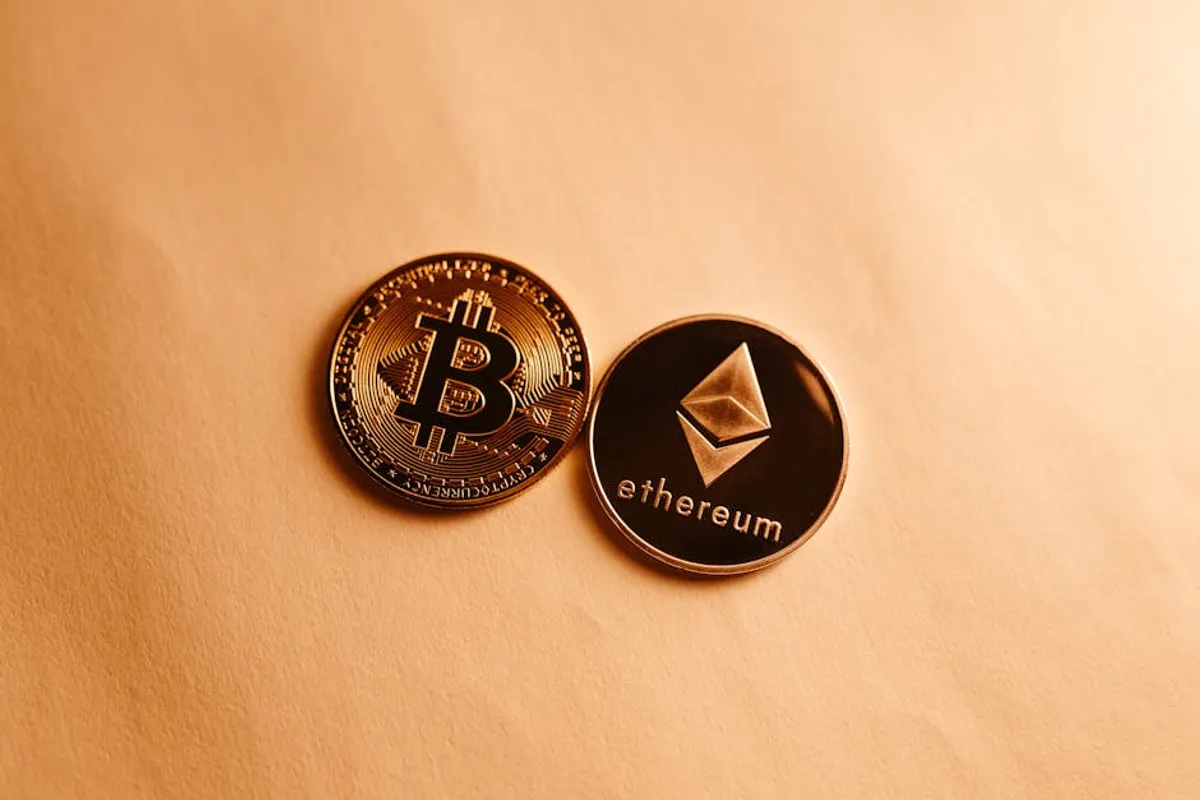
Ethereum casinos represent a distinct evolution in online gaming, moving beyond traditional fiat-based platforms to leverage blockchain technology. For operators and users alike, understanding these platforms requires dissecting their core technical differentiators, commercial implications, and the unique player experience they offer. This isn't merely about accepting a new currency; it's about fundamentally altering the operational mechanics and trust framework of online gambling through decentralization and cryptographic transparency.
Defining Ethereum Casinos: Beyond the Currency
An Ethereum casino is an online gambling platform that primarily uses Ethereum (ETH) as its transactional currency and, crucially, often integrates Ethereum's underlying blockchain technology, specifically smart contracts, to govern gameplay, payouts, and operational fairness. This distinguishes them from traditional online casinos that simply accept cryptocurrency as one of many payment methods. The distinction lies in the foundational infrastructure and the trust model.
- ETH as Primary Currency: All deposits, withdrawals, and wagers are typically conducted using Ethereum. This eliminates traditional banking intermediaries and their associated delays or fees.
- Smart Contract Integration: Many Ethereum casinos utilize self-executing smart contracts for critical functions like game logic, payout distribution, and ensuring provably fair outcomes. This automation removes the need for a central authority to verify every transaction or game result.
- Decentralized Operations: While not all Ethereum casinos are fully decentralized applications (dApps), the ethos leans towards minimizing central control. This can manifest in transparent game algorithms and immutable transaction records on the Ethereum blockchain.
Technical Underpinnings and Operational Advantages
The operational edge of Ethereum casinos stems directly from the capabilities of the Ethereum blockchain. These technical features translate into tangible benefits for both operators and their customer base.
Smart Contracts and Automated Trust
Ethereum's smart contracts are self-executing code programmed to run when specific conditions are met. In a casino context, this means:
- Automated Payouts: Winnings can be automatically disbursed to a player's wallet upon a win, without manual intervention or review delays. This reduces operational overhead for the casino and wait times for players.
- Game Logic Enforcement: The rules of a game (e.g., dice roll outcomes, card shuffles) can be encoded into a smart contract, ensuring they are executed exactly as designed, without manipulation. This provides a verifiable, immutable record of fairness.
Commercial Impact: For operators, smart contracts streamline back-end processes, reduce staffing needs for transaction verification, and build trust through transparent, auditable operations. For players, it offers assurance that game outcomes are not tampered with and winnings will be paid promptly.
Decentralization and Enhanced Security
By leveraging the Ethereum network, these casinos can offer a degree of decentralization. This means:
- Reduced Single Point of Failure: Unlike centralized servers, the blockchain is distributed across thousands of nodes, making it highly resistant to downtime or targeted cyberattacks.
- Data Integrity: All transactions and game results recorded on the blockchain are immutable, meaning they cannot be altered or deleted. This provides an unchangeable audit trail.
Best for: Operators prioritizing resilience against attacks and seeking to offer a higher degree of verifiable data integrity to their users. Players concerned about data manipulation or server outages benefit from this robust infrastructure.
Transaction Efficiency and Cost Structure
Ethereum transactions offer a different profile compared to traditional banking:
- Faster Settlement: Crypto transactions typically settle much faster than bank transfers, often within minutes, improving the user experience for deposits and withdrawals.
- Global Accessibility: Ethereum transactions are borderless, enabling instant transfers from anywhere in the world without currency conversion delays or international bank fees.
- Gas Fees: While faster, Ethereum transactions incur 'gas fees' paid to network validators. These fees fluctuate based on network congestion and can sometimes be significant, impacting the cost of small transactions.
Operational Consideration: Operators must account for gas fees in their financial models, potentially absorbing them for players or structuring games to minimize frequent, small transactions. Players need to be aware of these variable costs when depositing or withdrawing.
Player Experience and Commercial Implications
The unique technical foundation of Ethereum casinos translates directly into distinct advantages for the end-user, which in turn drive commercial appeal.
Anonymity and Privacy
Ethereum transactions are pseudonymous. While recorded on a public ledger, they are linked to wallet addresses, not directly to personal identities. This offers a higher degree of privacy than traditional online casinos that require extensive KYC (Know Your Customer) documentation.
User Benefit: Players can engage in gaming without revealing sensitive personal information, appealing to those who value digital privacy.
Provably Fair Gaming
This is a cornerstone feature, often enabled by smart contracts and cryptographic hashing. Players can independently verify the fairness of each game outcome. Typically, this involves:
- The casino generates a "server seed" and hashes it, providing the hash to the player *before* the game starts.
- The player provides a "client seed."
- A "nonce" (a number that increments with each bet) is used.
- These inputs (server seed, client seed, nonce) are combined and used in a cryptographic algorithm to determine the game result.
- After the game, the casino reveals the original server seed, allowing the player to re-run the calculation and verify the outcome.
Commercial Advantage: Provably fair systems build unparalleled trust, a significant differentiator in an industry often scrutinized for fairness. This transparency can attract and retain a loyal player base.
Pro Tip for Operators: When implementing provably fair systems, ensure the verification process is intuitive and clearly explained on your platform. A complex or opaque verification method negates the trust-building benefit. Provide clear tutorials or a dedicated section explaining the cryptographic process in layman's terms.
Challenges and Strategic Considerations
Despite their advantages, Ethereum casinos face specific challenges that require careful strategic planning.
Regulatory Landscape
The regulatory environment for cryptocurrency gambling remains fragmented and evolving. Jurisdictions globally are still developing frameworks for digital assets and decentralized applications. This can lead to:
- Uncertainty: Operators may face ambiguity regarding licensing requirements, taxation, and legal compliance in various markets.
- Geographical Restrictions: Despite the borderless nature of crypto, legal restrictions in certain countries may still limit accessibility for players.
Strategic Imperative: Operators must conduct thorough legal due diligence for target markets and adapt their operational models to comply with local laws, often necessitating geo-blocking or specific licensing.
Volatility of Ethereum
The price of Ethereum can be highly volatile, fluctuating significantly against fiat currencies. This presents risks:
- Player Funds: The value of a player's deposit or winnings can change rapidly between deposit and withdrawal, potentially leading to gains or losses purely from market fluctuations.
- Operator Revenue: Casino revenue held in ETH is subject to market swings, impacting profitability and financial stability.
Mitigation Strategy: Some operators might offer stablecoin options for deposits/withdrawals or implement hedging strategies to manage price risk. Clear communication with players about volatility is also essential.
User Adoption and Education
While crypto adoption grows, a significant portion of the general public remains unfamiliar with Ethereum wallets, gas fees, and blockchain concepts. This can create a barrier to entry.
Commercial Response: Operators must invest in user-friendly interfaces, comprehensive guides for setting up wallets and making transactions, and potentially offer fiat-to-crypto on-ramps to simplify the onboarding process for new users.
Strategic Integration for Future Growth
For any entity considering operating within or engaging with the Ethereum casino ecosystem, success hinges on a clear understanding of its unique value proposition and inherent challenges. Focus on leveraging the transparency and immutability of the blockchain to build unparalleled trust with users. Simultaneously, implement robust strategies to navigate regulatory complexities and mitigate the risks associated with cryptocurrency volatility. User education and streamlined onboarding are critical for expanding market reach beyond existing crypto enthusiasts. The future of online gaming will increasingly integrate blockchain, and those who master these foundational elements will be best positioned for long-term commercial viability.
Frequently Asked Questions About Ethereum Casinos
How do I deposit and withdraw funds from an Ethereum casino?
To deposit, you will typically need an Ethereum-compatible cryptocurrency wallet (e.g., MetaMask). You send ETH from your wallet to the casino's designated wallet address. Withdrawals work in reverse: you request a withdrawal to your personal ETH wallet address.
Are Ethereum casinos legal?
The legality of Ethereum casinos varies significantly by jurisdiction. Some countries have clear regulations for crypto gambling, while others have outright bans or operate in a legal gray area. It is crucial to check the specific laws in your region and the licensing of any casino you consider.
Are games on Ethereum casinos truly fair?
Many Ethereum casinos offer "provably fair" games, which use cryptographic algorithms to allow players to independently verify the fairness of each game outcome. This is a significant advantage over traditional casinos where fairness relies on third-party audits and the operator's reputation alone.
What are the main advantages of using ETH for gambling?
Key advantages include enhanced privacy (pseudonymous transactions), faster transaction speeds compared to traditional banking, lower fees (though gas fees can vary), and access to provably fair gaming mechanisms that increase trust through transparency.